All Kirks are NOT the Same
Today, it is the year 2026. Saying that out loud still makes it sound like a far-off future date pulled straight from a science-fiction movie. Back in the 1970s, it absolutely would have felt that way. So what better time than now to talk about Star Trek action figures?
The figures in question are the ones brought to life by a company called MEGO.
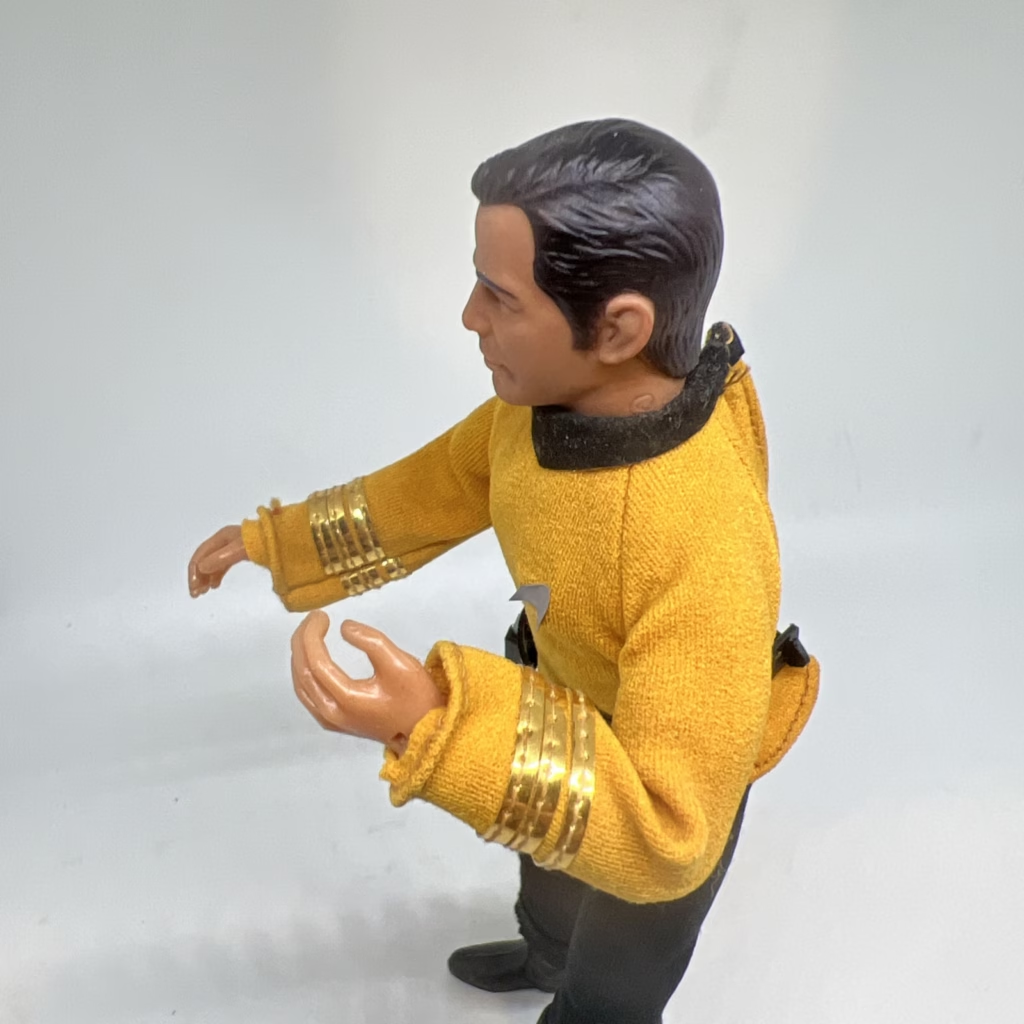
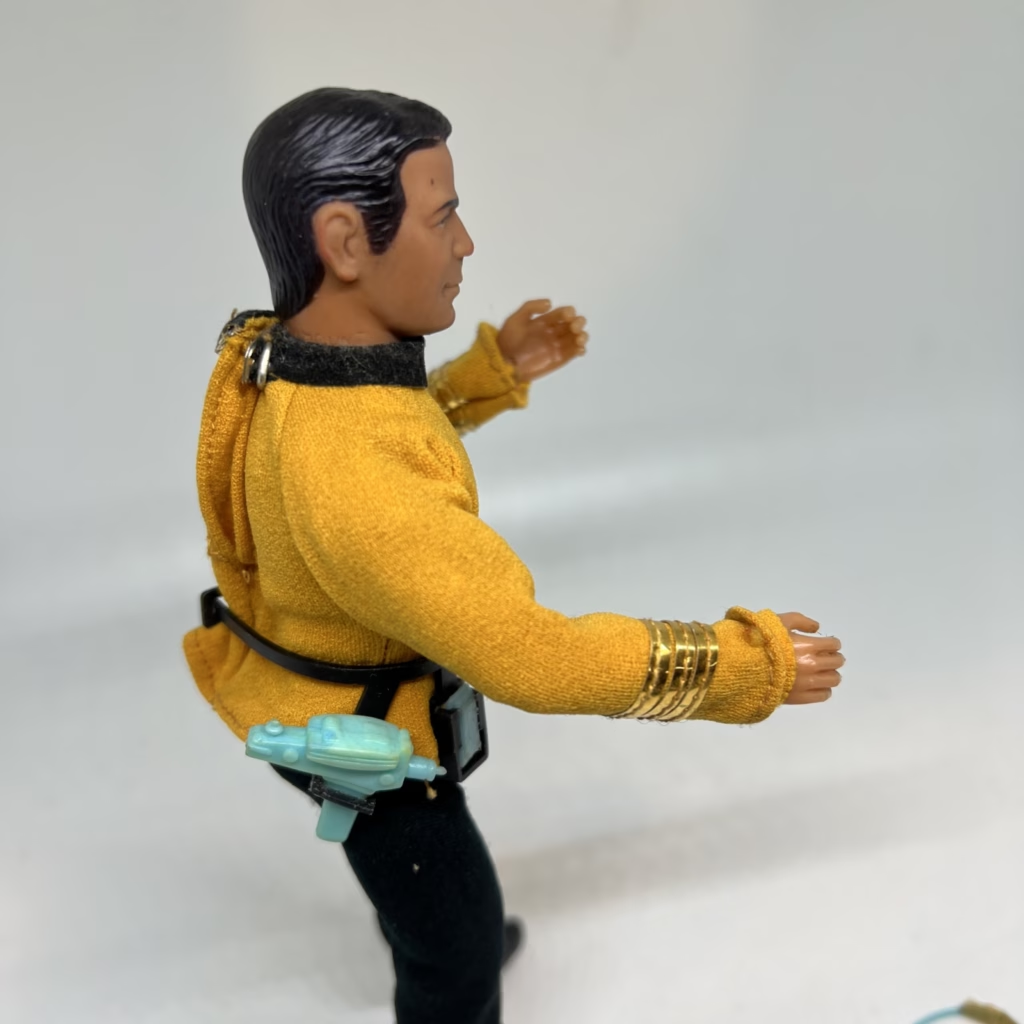
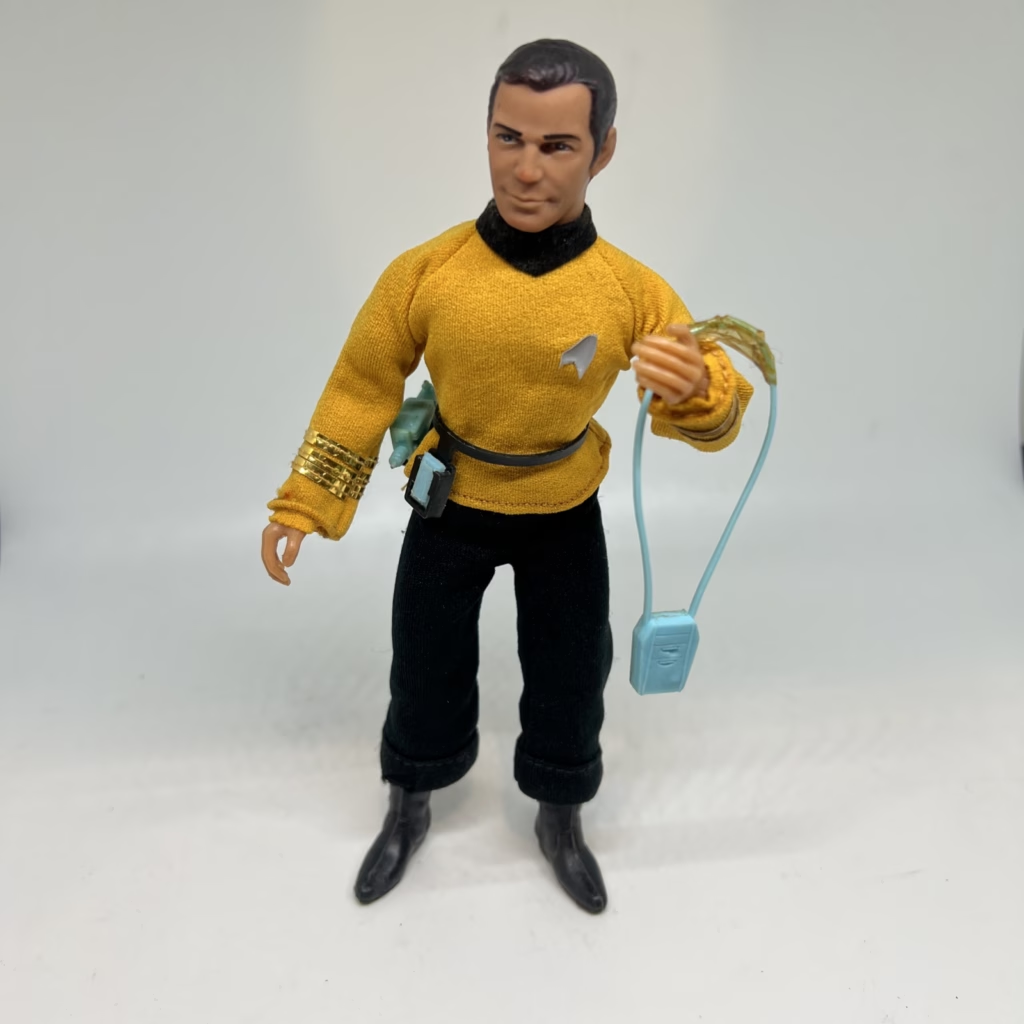
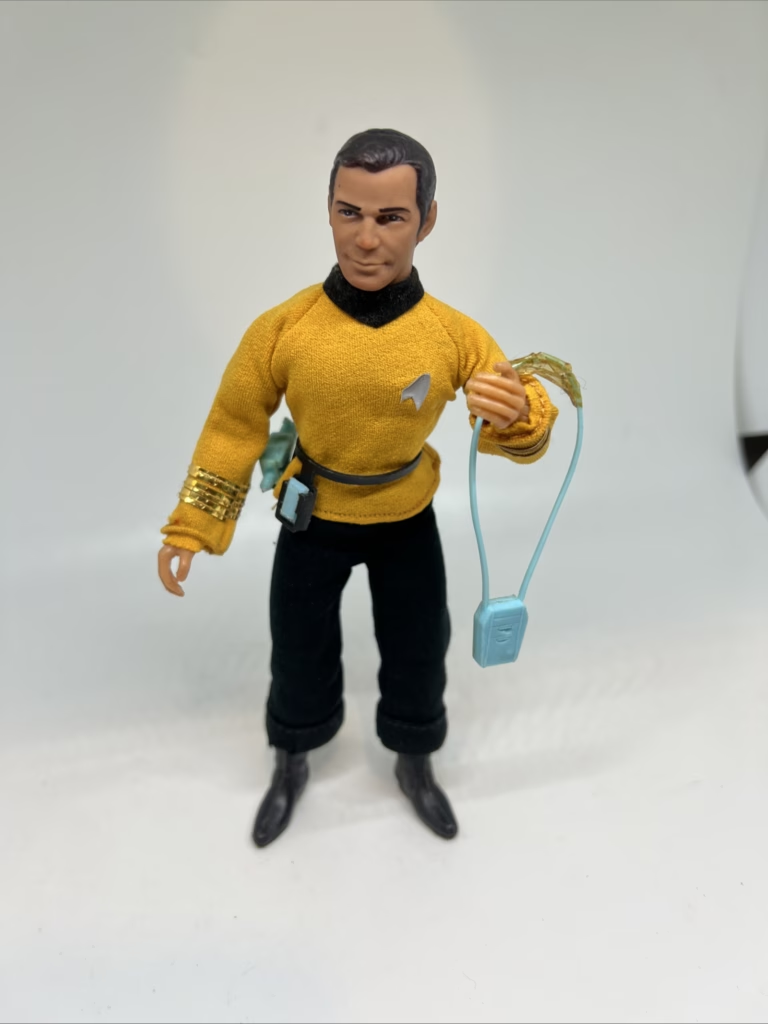
MEGO became famous in the 1970s for producing action figures based on the most popular characters of the era. When it comes to vintage MEGO collecting, few figures illustrate the differences between Type 1 and Type 2 bodies better than Captain James T. Kirk from Star Trek. Produced across multiple years during MEGO’s golden era, Kirk was released using both body styles—making him an ideal reference point for collectors looking to understand how MEGO figures evolved over time, and how those changes affect collector value today.
🖖 Why Captain Kirk Matters in MEGO History
MEGO acquired the Star Trek license in the mid-1970s, launching an 8-inch line that included:
- Captain James T. Kirk
- Mr. Spock
- Dr. McCoy
- Klingons and other aliens
Kirk was the flagship character of the line and remained in production for several years. Because of this extended production window, Kirk figures were released on both Type 1 and Type 2 bodies, providing collectors with a rare apples-to-apples comparison.
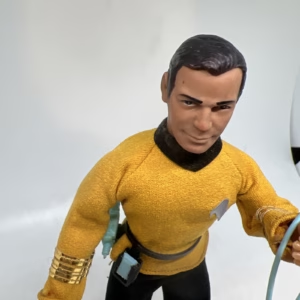
Type 1 Captain Kirk (Early Production)
Years of Production
- Approximately 1974–1975
- Early wave of MEGO Star Trek releases
Body Construction
The Type 1 Kirk uses MEGO’s original body design:
- Metal rivets at elbows, knees, wrists, and ankles
- Internal elastic cord holding the torso and limbs together
- Slightly looser joints and less muscular definition
Visually, the rivets are the easiest giveaway. When you look at a Type 1 Kirk, the joints feel more “toy-like” and mechanically exposed.
Uniform & Accessories
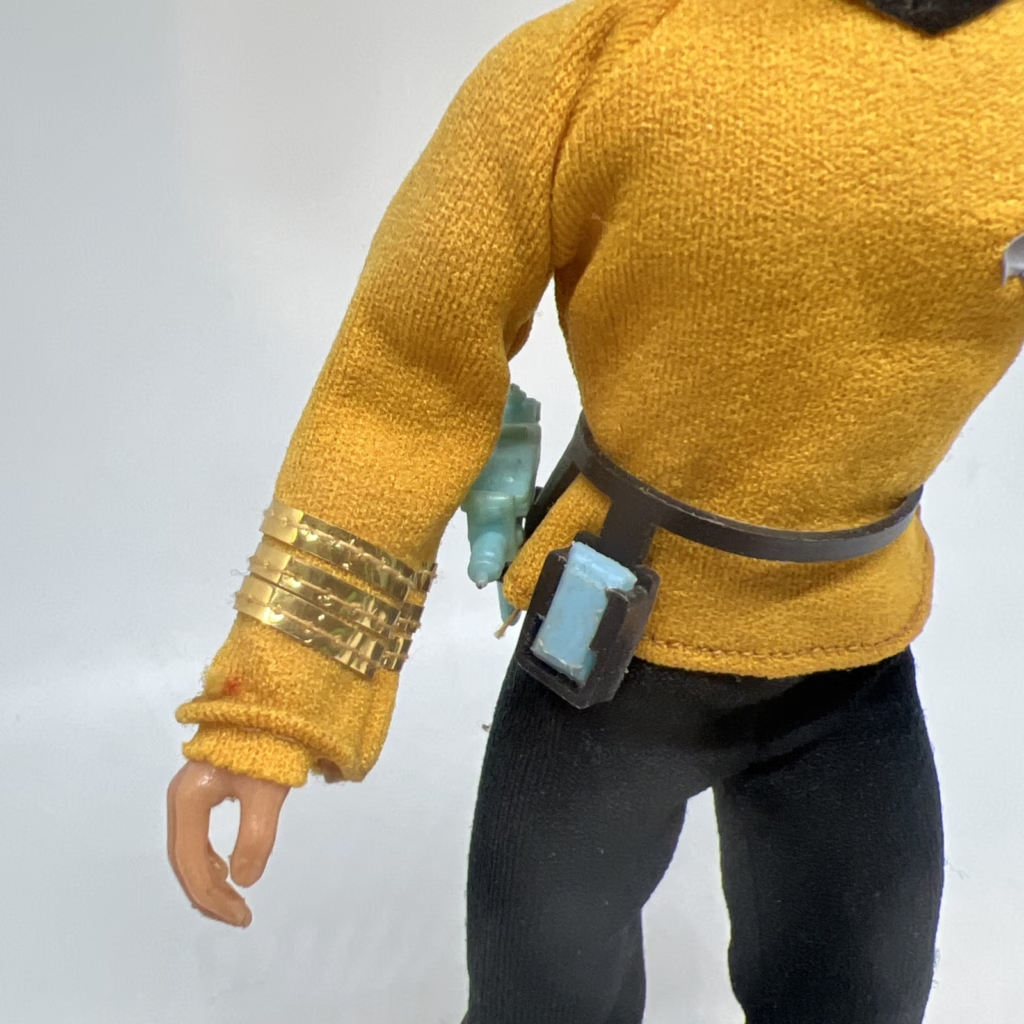
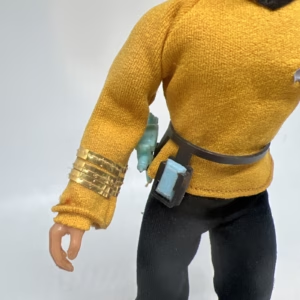
- Gold command tunic with Starfleet insignia
- Black pants and boots
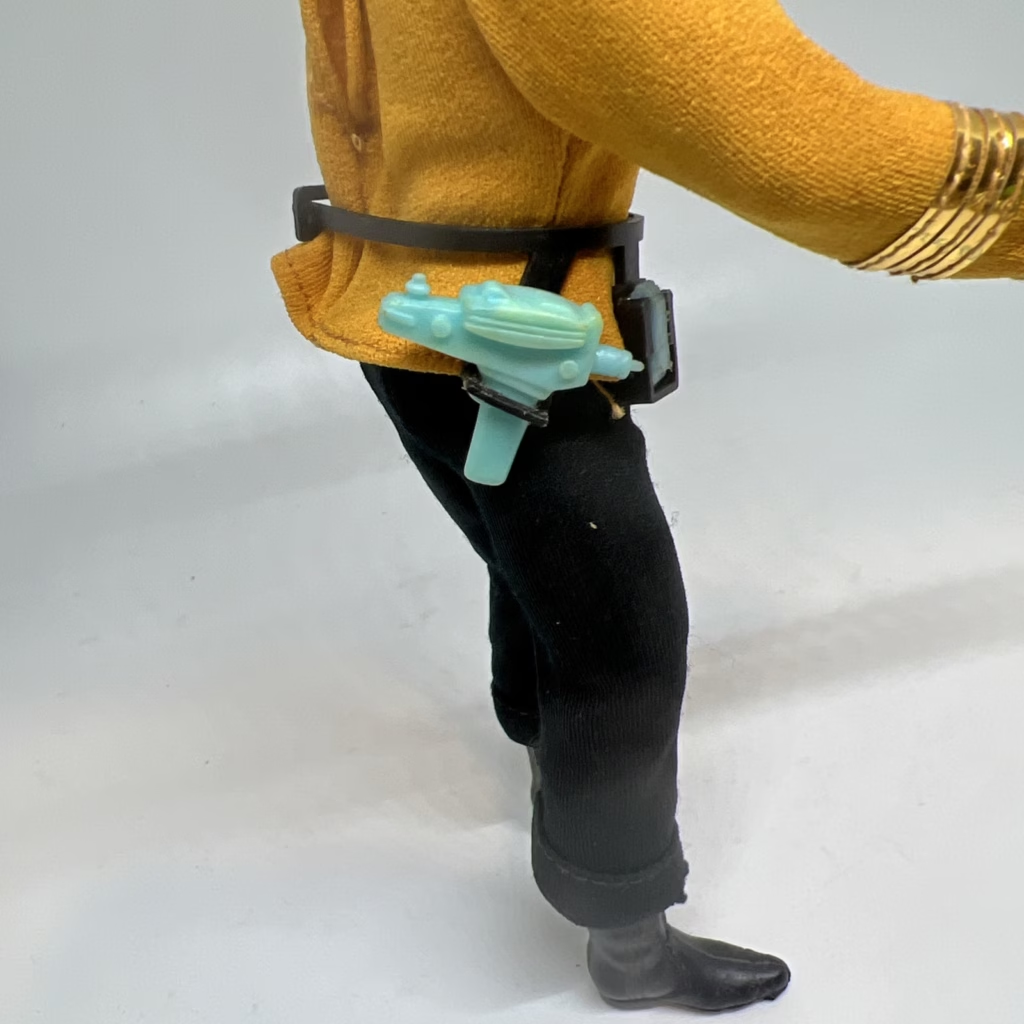
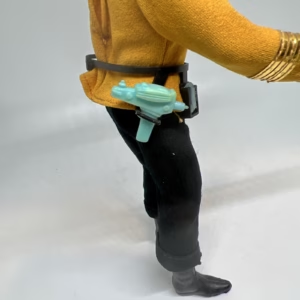
- Phaser (often missing today)
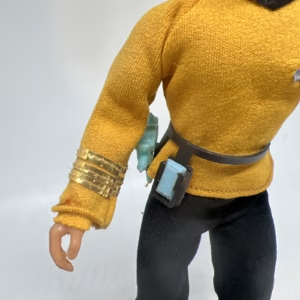
Early uniforms were sometimes made with thinner fabric and are more prone to fraying, which significantly impacts value.
Collector Value
- Higher desirability due to age and shorter production run
- Loose, complete examples often sell for $150–$300+, depending on condition
- Mint or boxed Type 1 Kirks can climb significantly higher
Collectors value Type 1 Kirk not just for rarity, but because it represents the earliest expression of MEGO’s Star Trek line.
Type 2 Captain Kirk (Later Production)
Years of Production
- Roughly 1975–1978
- Produced after MEGO redesigned their standard body
Body Construction
The Type 2 Kirk reflects MEGO’s improvements:
- Plastic pins and hooks instead of metal rivets
- Internal rubber band system
- More defined chest and arms
- Cleaner joint appearance and better posing ability
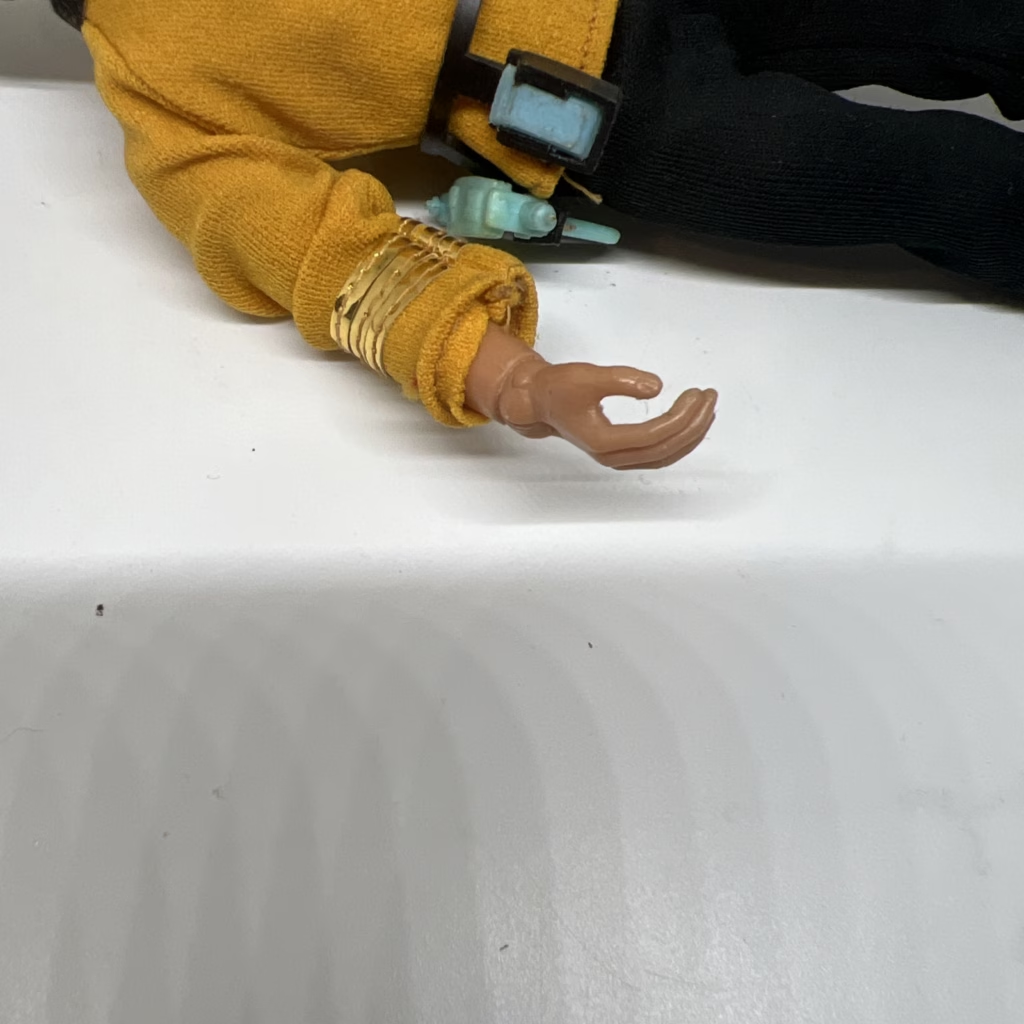
Side-by-side, a Type 2 Kirk stands more naturally and feels sturdier, especially when displayed.
Uniform & Accessories
- Same iconic gold command tunic design
- Later runs often used slightly sturdier fabric
- Phaser and boots more consistently molded
Because these figures were produced longer, accessories are often easier to replace — which helps collectors restore incomplete examples.
Collector Value
- More common than Type 1, but still highly collectible
- Loose, complete figures generally range $80–$180
- Boxed or exceptionally clean examples can exceed $250
Type 2 Kirk is often preferred by display collectors due to better durability and poseability.
🔍 How to Tell Which Kirk You Have
If you’re holding a MEGO Captain Kirk and aren’t sure which type it is, check the following:
| Feature | Type 1 Kirk | Type 2 Kirk |
|---|---|---|
| Joint hardware | Metal rivets | Smooth plastic |
| Internal system | Elastic cord | Rubber band & hooks |
| Muscle detail | Minimal | More defined |
| Production era | Earlier | Later |
| Rarity | Scarcer | More common |
Metal rivets = Type 1.
Smooth joints = Type 2.
Does the Body Type Impact Kirk’s Value?
Yes — but condition is still key.
- A mint Type 2 Kirk can be worth more than a damaged Type 1
- Original uniforms, tight joints, and included phasers matter
- Body swaps are common, so originality is critical for serious collectors
Type 1 Kirk tends to attract historical collectors, while Type 2 Kirk appeals to display and casual collectors. Basically, the Type 2 version looks better.
Key MEGO – Collector Checklist (8-Inch Figures)
This checklist covers known major production variants of Captain James T. Kirk released by MEGO during the original Star Trek line (mid-1970s). It focuses on body type, outfit details, accessories, and packaging, rather than minor factory sewing differences.
Body Type Variants
⬜ Type 1 Captain James T. Kirk
- ⬜ Metal rivets visible at elbows, knees, wrists, and ankles
- ⬜ Elastic cord internal construction
- ⬜ Less muscular torso sculpt
- ⬜ Early production run (approx. 1974–1975)
- ⬜ Scarcer than Type 2
Collector Notes:
Type 1 Kirks are often found with loose joints due to aged elastic. Fully original examples are harder to find because body swaps were common in later years.
⬜ Type 2 Captain James T. Kirk
- ⬜ Smooth plastic joints (no metal rivets)
- ⬜ Rubber band & hook internal system
- ⬜ More defined chest and arms
- ⬜ Later production run (approx. 1975–1978)
- ⬜ Most common Kirk body
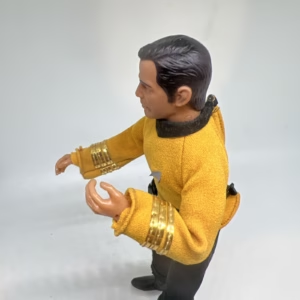
Collector Notes:
Type 2 Kirks are preferred for display due to stability and poseability. Be cautious of restored figures using reproduction bands.
Uniform & Outfit Components
MEGO figures are famously known for their cloth outfits. Each one having distinctive outfits featuring characteristics representing the figure they are portraying. Captain James Tiberius Kirk is no different. He is decked out in his familiar gold tunic, but the features vary depending on the type.
⬜ Gold Command Tunic (Original)
- ⬜ Correct mustard-gold color (not bright yellow)
- ⬜ Short-sleeve cut
- ⬜ Black Starfleet delta insignia patch on left chest
- ⬜ No Velcro (sewn or snap-back closure)
Common Issues:
- Fading to pale yellow
- Fraying seams
- Missing insignia patch
⬜ Black Pants
- ⬜ Original MEGO fabric
- ⬜ Straight-leg cut
- ⬜ No elastic waist (drawstring or sewn)
⬜ Black Boots
- ⬜ Original MEGO molded boots
- ⬜ Slight heel and ankle ridge detail
- ⬜ Snug fit (not loose reproduction)
Accessories
⬜ Type 1 Phaser
- ⬜ Chunkier sculpt
- ⬜ Often darker gray plastic
- ⬜ Harder to find than later versions
⬜ Type 2 Phaser
- ⬜ Slightly slimmer sculpt
- ⬜ More commonly found
- ⬜ Often substituted for missing Type 1 phasers
Collector Tip:
Accessory swaps are extremely common. Phaser style should match body type for maximum originality.
Head Sculpt Variants
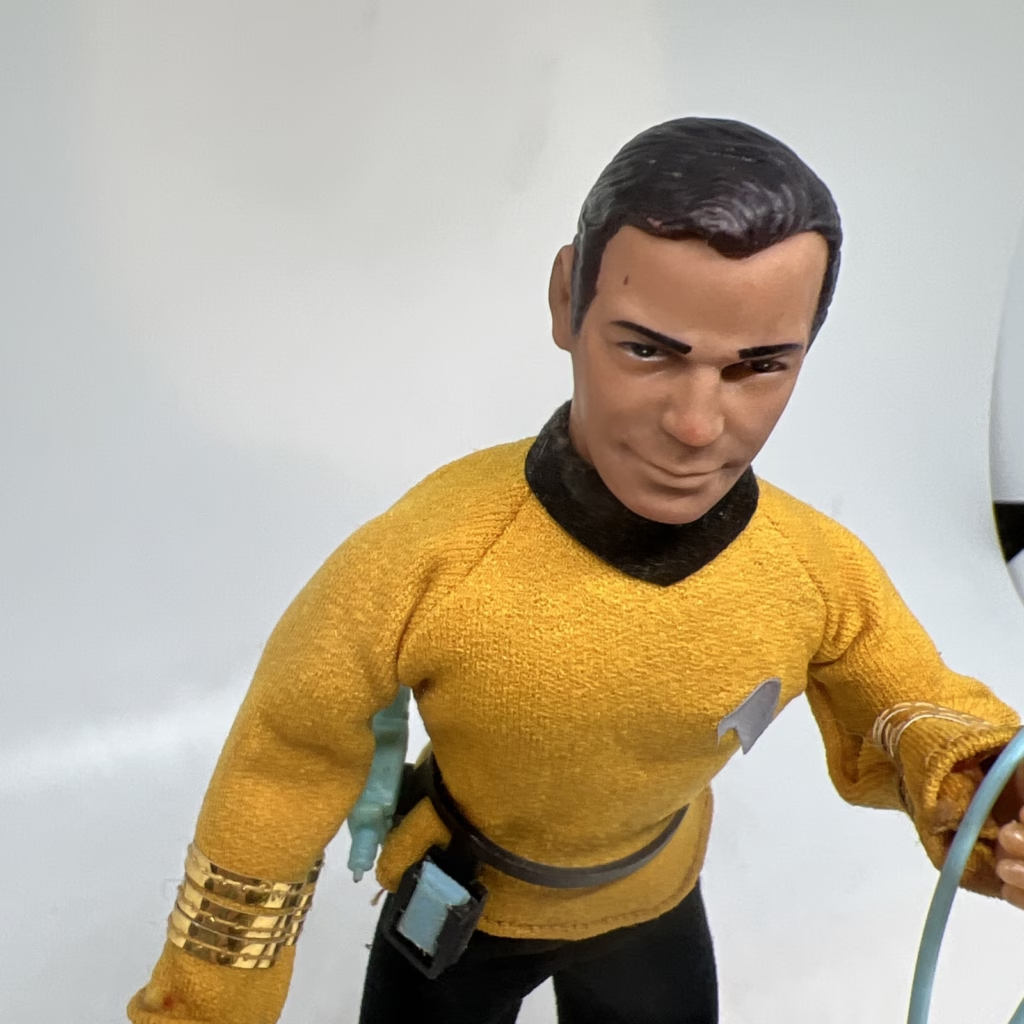
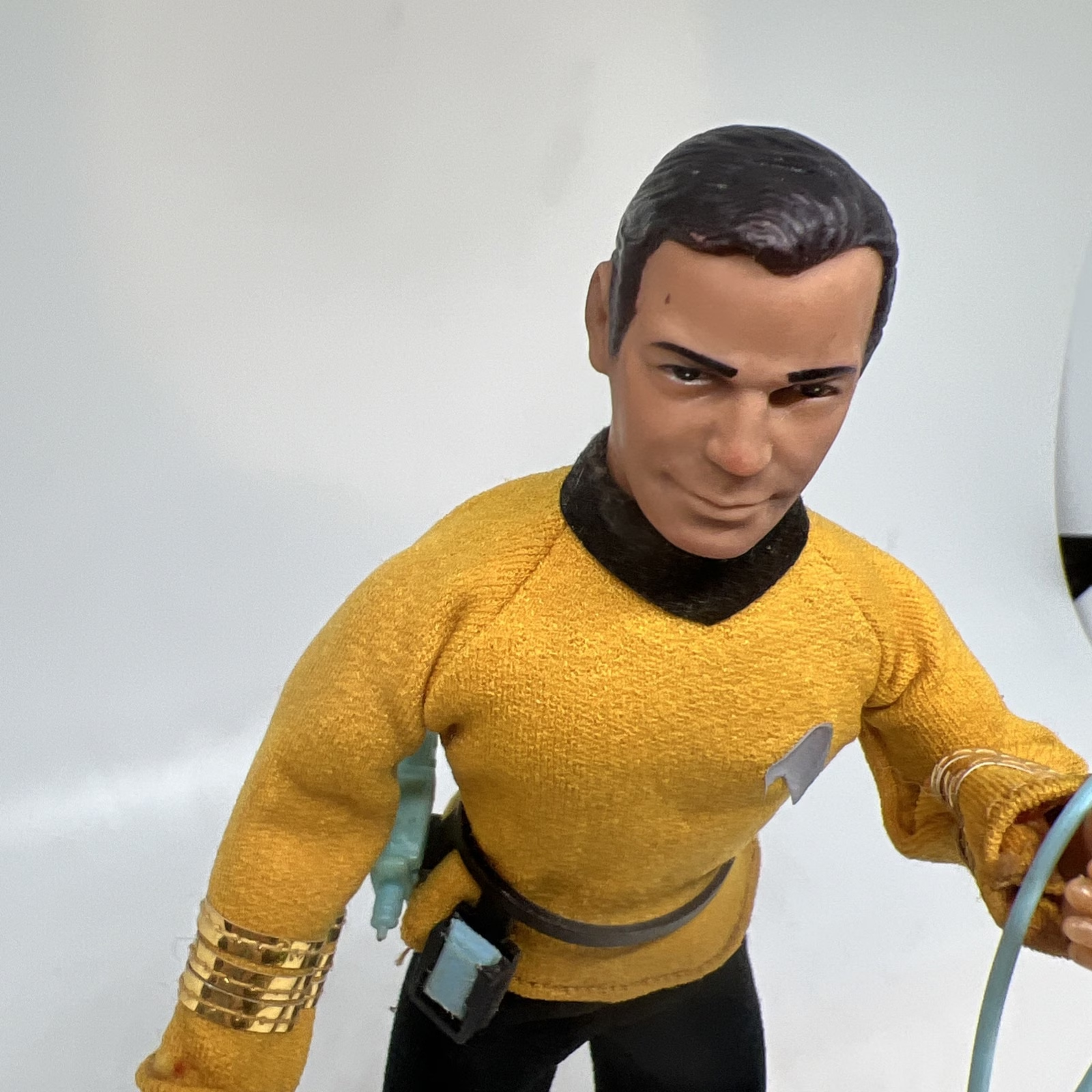
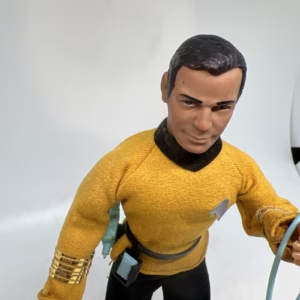
⬜ Standard Captain Kirk Head Sculpt
- ⬜ William Shatner likeness
- ⬜ Neutral expression
- ⬜ Brown painted hair
- ⬜ Flesh-toned plastic head
Known Variations (acceptable factory differences):
- Slight differences in eyebrow thickness
- Minor hairline paint variations
- Matte vs semi-gloss face finish
These are generally considered factory tolerances, not separate variants.
Packaging Variants
⬜ Carded (Blister) – Star Trek Line
- ⬜ Star Trek logo
- ⬜ Character name: Captain Kirk
- ⬜ Window bubble intact
- ⬜ Early card styles more desirable
⬜ Boxed Version
- ⬜ Illustrated Star Trek artwork
- ⬜ Insert tray present
- ⬜ Accessories included
Collector Notes:
Packaging dramatically increases value. Even damaged cards are worth saving.
Condition Grading Checklist
Use this to evaluate value:
- ⬜ Tight joints
- ⬜ Original body (no swaps)
- ⬜ Original uniform (no repro parts)
- ⬜ Phaser present (Matched body type + correct phaser a bonus)
- ⬜ Clean fabric (no stains or odors)
- ⬜ No cracked hands or feet
Final Collector Advice
Captain Kirk embodies everything that makes MEGO collecting fascinating:
- Long production run
- Multiple body styles
- Iconic character recognition
- Clear evolution in toy design
Captain James T. Kirk is one of the best reference figures in the entire MEGO line because:
- He spans both Type 1 and Type 2 bodies
- He remained in production for years
- He is frequently body-swapped or restored
Understanding these variants can help collectors avoid overpaying, spot originality, and build a historically accurate collection.
Whether you prefer the early, riveted charm of Type 1 or the refined durability of Type 2, Captain James T. Kirk tells the story of MEGO’s rise — one figure at a time.